Eight unhurried hours across the Alps on the world's slowest express train — panoramic glass, high passes, glacial rivers and stone villages from Zermatt to St. Moritz.
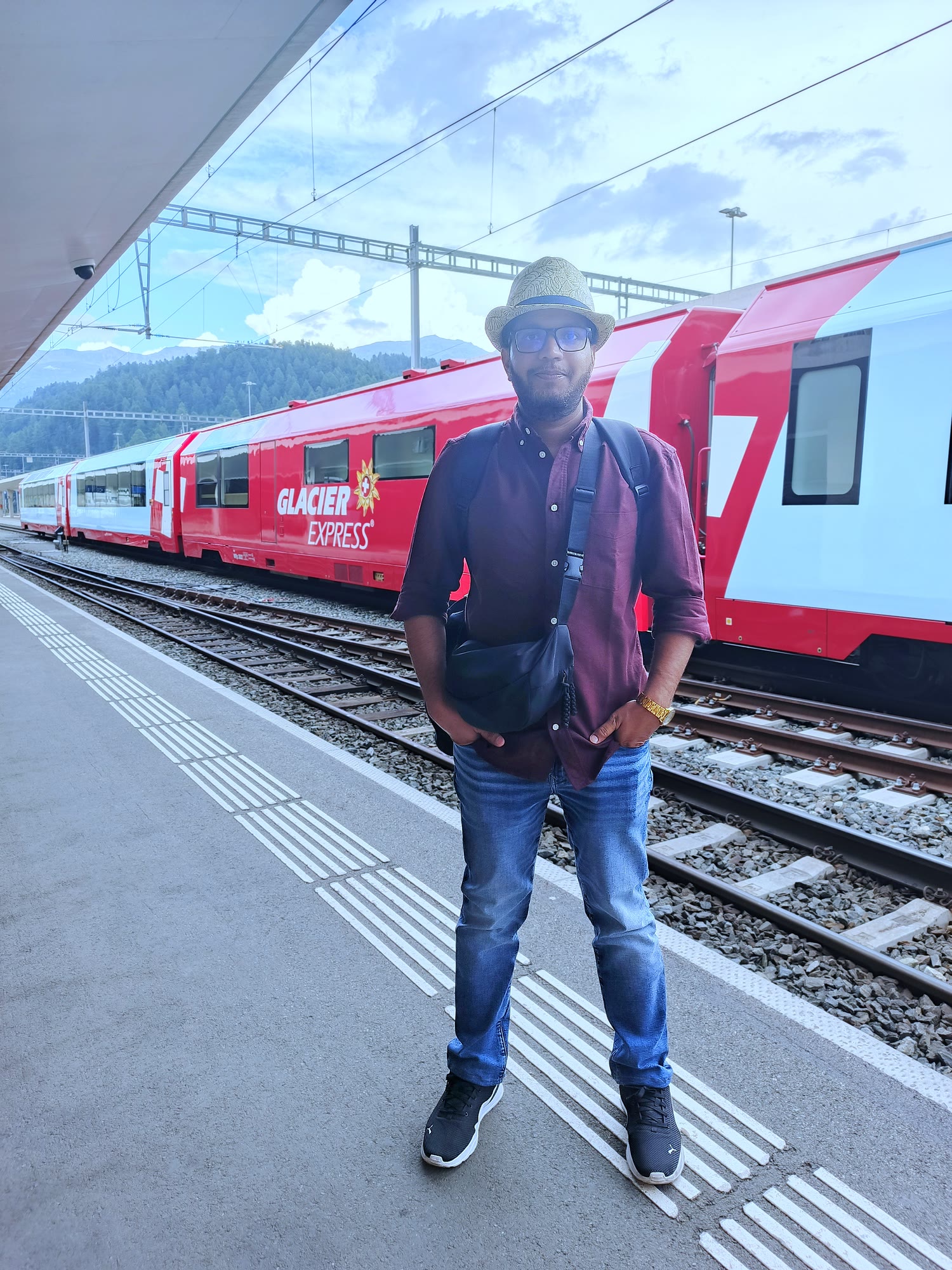
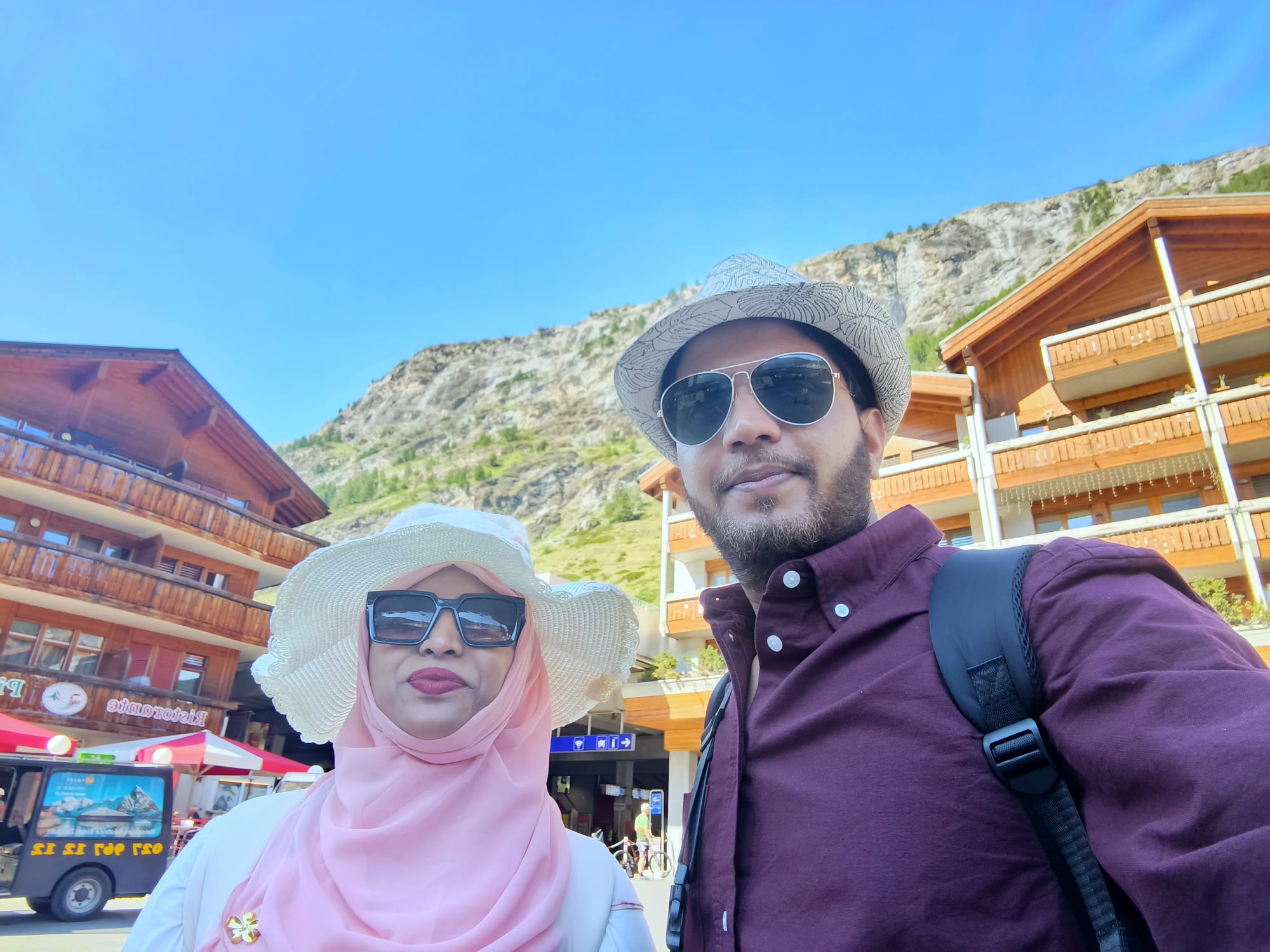
The Glacier Express is often called the slowest express train in the world — and that is exactly the point. We joined it at Zermatt after a short positioning ride up from Visp, settled into a panoramic carriage, and gave the whole day to the Alps. Zermatt at 09:52, St. Moritz by late afternoon: nearly eight unhurried hours of mountains sliding past the curved glass.
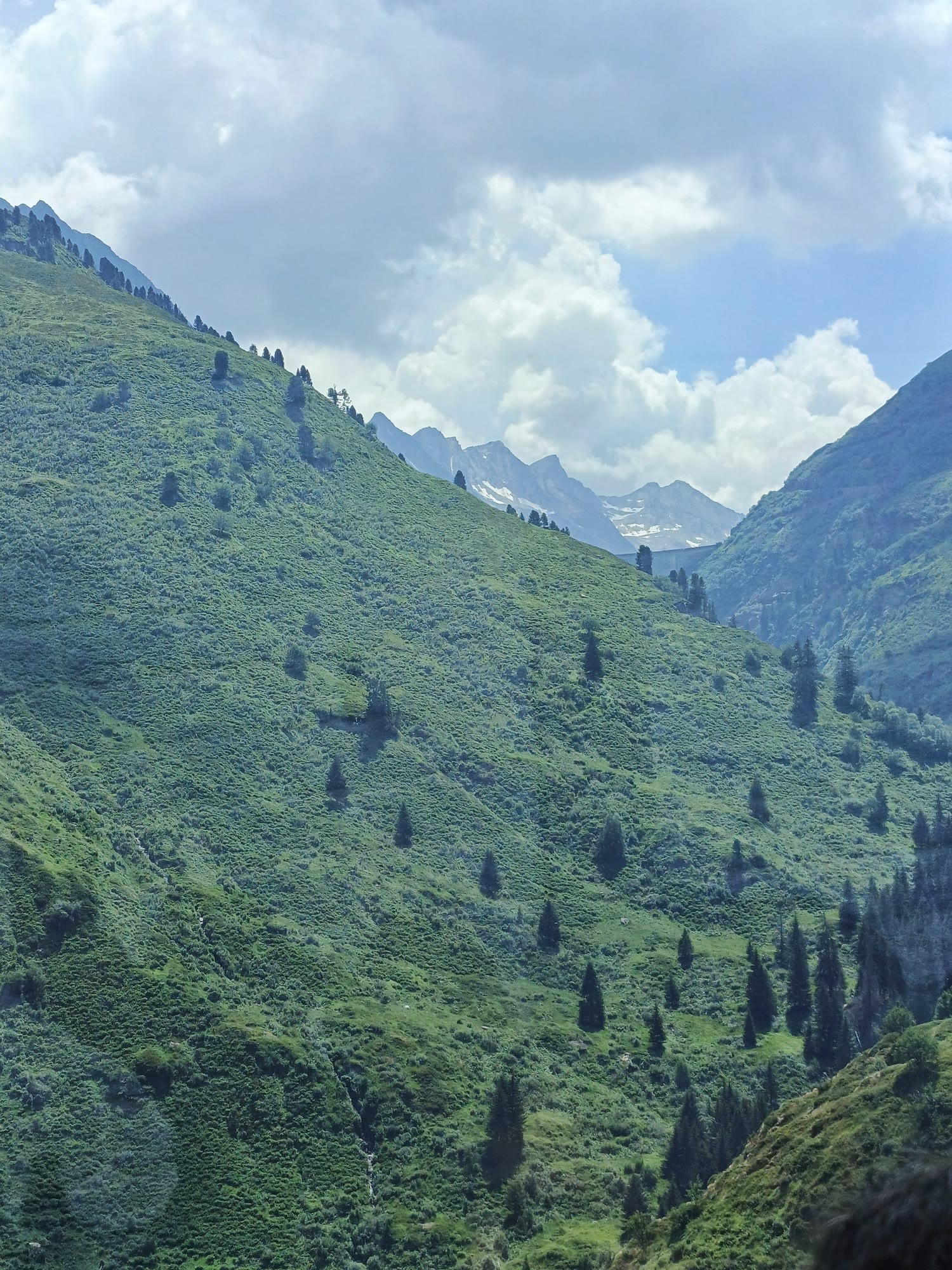
The route is a feat in itself — hundreds of bridges and tunnels, and the slow climb over the Oberalp Pass at just over 2,000 metres. Between them: glacial rivers, larch forest, stone villages, and high pastures that open and close like scenes. Somewhere before Chur the valley we had been following swapped sides, and the view that had been on our left became the view on our right, without us moving a seat.
We did not try to photograph everything. We watched, we ate slowly, and we let the day do the work. By the time St. Moritz arrived in the soft late-afternoon light, the trip already felt like one of those journeys where getting there was the whole destination.
If you only take one train in Switzerland, this is a strong contender — but reserve the panoramic seats ahead, and pick a clear day so the high passes actually show themselves.
 YouTube


Best moments
- The panoramic glass curving over the Oberalp Pass
- Glacial rivers and stone villages between the tunnels
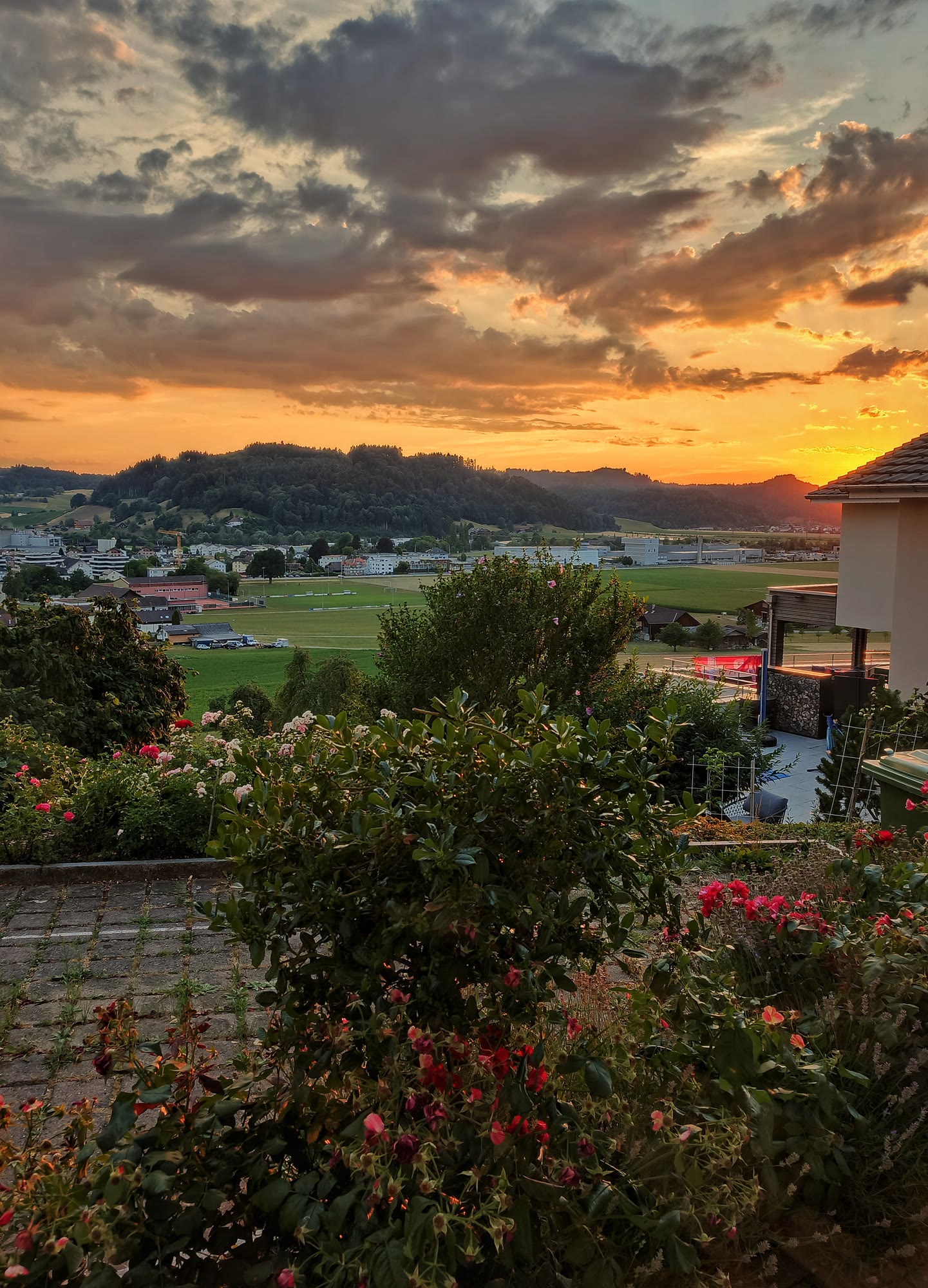
- Arriving into St. Moritz in soft late-afternoon light
Travel tips
- Reserve the 2nd-class Panorama (or Excellence) seats well ahead — they sell out in summer
- It is a full ~8-hour day Zermatt→St. Moritz; bring snacks or use the at-seat dining
- Pick clear weather so the Oberalp Pass and high valleys aren't lost in cloud